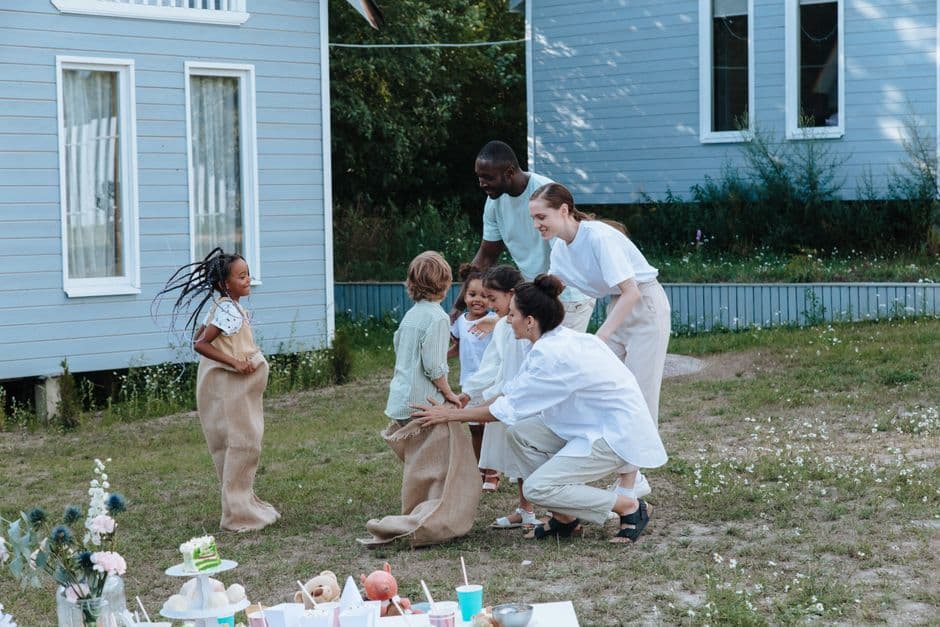
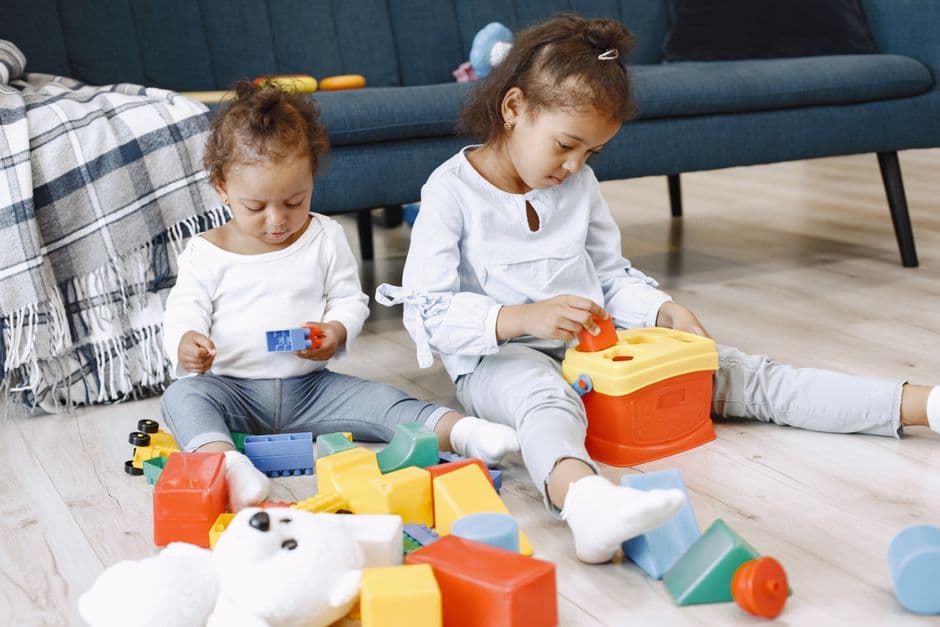
 Photo: August de Richelieu / Pexels
How to Help Your Child Put Words to Their Feelings
SReviewed by Sara · Montessori teacher
How do we talk about feelings so our child learns to put words to them?
Name what you observe in the moment — for example, saying that you can see your child is angry because their tower fell down. This helps them connect the feeling on the inside with a word from the outside, long before they are able to do it on their own.
Acknowledge the feeling without immediately trying to fix it or argue it away. Saying that you understand your child is sad works much better than saying it's no big deal. All feelings are allowed to exist, even if not all behaviours are okay — for instance, it's fine to feel angry, but not to hit.
Use books and play as natural conversation starters. Ask how a character in a book might be feeling, or use dolls to act out situations. It is often easier for children to talk about feelings at a safe distance than to address them head-on.
Model how you handle your own feelings out loud — for example, saying that you're feeling a little stressed right now and are going to take a deep breath. Children learn a great deal from watching adults name and navigate their own emotional lives.
Wait until the storm has passed before having a conversation. In the middle of a meltdown, children are rarely open to reasoning — but afterwards, when things are calm, it is usually much easier to talk through what happened and why.